The White Pill
dce3d2…a848cdthe-white-pill@rizful.com
67Followers74Following34Notes1.4kReceived
Nostr-only. Positive News For Positive Views
34 total
 The White Pill3h ago
Yogurt Delivery Creates Community Connection For Elderly
A network of women delivering probiotic milk drinks, referred to as "Yakult Ladies", has become a vital source of routine, connection, and care.
Nearly 30% of Japan's population is now over 65, and the number of elderly people living alone continues to rise. As families shrink, and traditional multi-generational households decline, isolation has become one of the country's most pressing social challenges.
In Japan, the number of people over 65 living alone is expected to rise to almost 11 million by 2050, according to the National Institute of Population and Social Security Research. The country even has the term "kodokushi" or "lonely death", which refers to the tragic cases of people dying alone at home with no one noticing. In 2021, Japan's first "Minister of Loneliness" was appointed to government, with a task force focused on social isolation.
In the private sector, there is something else at play, "Yakult Ladies". A Yakult Lady is one of tens of thousands of workers across Japan who deliver probiotic drinks directly to people's homes. On paper they're delivery workers, but in practice they're part of the country's informal social safety net.
The first Yakult Ladies made their deliveries in Japan in 1963, and play a major role in disseminating the valuable health benefits of Yakult around the world. The initiative began unintentionally. When Yakult launched in 1935, the idea of drinking "bacteria" sounded bad; like something that would make you sick rather than healthy. To explain what the product was, the company needed salespeople to go door to door.
Yakult Ladies are easy to spot in the community in their blue uniforms with signature red plaid trim. They're often seen whizzing about their neighborhoods on bikes, motorbikes, on foot or by car.
Satoko Furuhata, who has been a Yakult Lady for 25 years, begins her day at 08:30, when she loads her car and sets off on her route. "I have different routes each day but I visit about 40 to 45 households per day," she says.
Every Monday for the past quarter-century, Furuhata has visited the same customer (who wants to remain anonymous) who is now 83 and lives alone in Maebashi, 100 miles northwest of Tokyo. Since her children have long left home, the elderly woman has come to treasure the visits. "Knowing that someone will definitely come to see my face each week is a tremendous comfort," she says. "Even on days when I feel unwell, hearing her say, 'How are you today?' at my doorstep gives me strength."
It has become such a long standing routine that she avoids scheduling anything else that time. "Monday is my 'energy charging day'," she says. "I genuinely look forward to her visits. When the doorbell rings and I hear her cheerful voice, it lifts my spirits instantly."
They chat about many things: their families, gardening and growing flowers, local news and health topics they've read about in newspapers or seen on TV. "These may seem like small conversations, but they make me feel and realize that I'm not alone."
Stress and chronic loneliness may negatively affect gut health, explains Dr Emily Leeming, a microbiome scientist. "We live in a microbial world, constantly exchanging microbes back and forth between each other. That's one reason why loneliness is linked to lower gut microbiome diversity. It's also likely due to stress too, with loneliness causing a low-grade stress response that can also negatively impact your gut microbiome."
Yakult did not design its delivery network as a public health intervention. But over time, the social dimension of the visits has taken on growing significance.
"I've stayed healthy without major illnesses and people often tell me how energetic I am," says Furuhata's 83-year-old customer. "I believe that's because I've been drinking Yakult for many years. But it's not just the drink… receiving Mrs Furuhata's visits [is also] important to my health routine."
Asuka Mochida is a Yakult Lady from Gunma Prefecture. Nearly all her customers are elderly, and she feels a deep sense of pride in being able to offer them both companionship and a watchful eye.
"Yakult Ladies are not just people who sell products," says the 47-year-old. "We are watchers in a sense, people who look out for others. We notice small changes in health or lifestyle." They also notice subtle changes in a customer's routine. If someone fails to answer the door, they may alert family members or seek assistance.
"For elderly customers or those living alone, the reassurance of seeing a familiar face is incredibly important," says Mochida. "Japan has a culture of watching over others and one's community. I think Yakult Ladies put that culture into practice in a natural, sustainable way. It's a job where responsibility and kindness overlap."
It's also a job that can come with high levels of satisfaction. "Even on busy days when I can sometimes only talk for a moment, a customer once told me, 'Just seeing your face gives me energy.' That made me realize that even if I'm not perfect, simply being there can make a meaningful difference."
"The ability to listen and to notice things," adds Mochida. "Being attentive to small changes is essential."
There's currently more than 31,000 Yakult ladies in Japan. The model has also been replicated overseas in countries such as China, Indonesia, Malaysia, Brazil, and Mexico.
Yakult is a fermented milk drink that contains a specific strain of lactic acid bacteria cultured by Dr Minoru Shirota, Yakult's founder, in 1930. When the scientist began studying medicine at Kyoto University in 1921, Japan was still developing economically, and many children were dying from infectious diseases. Appalled by the situation, he committed himself to the study of disease prevention, which led him to focus on microbiology – specifically helpful bacteria that could suppress harmful bacteria in the gut.
From their beginnings in Japan, today nearly 80,000 Yakult Ladies are working to serve their local communities in 14 countries and regions across the globe. You might run into a Yakult Lady while on your travels. If you do, feel free to stop her, and she will be happy to sell you a Yakult or two (payment by cash only).

0100 sats
The White Pill1d agoPostal Worker Drives Nearly 50 Miles After Work To Return Wallet
A new postal worker, 25 year old Bruce Armah, found a wallet buried in the snow in Coraopolis, Pennsylvania, on a frigid winter morning. He tucked it away until he could look for an ID card or anything with an identifying address.
After he finished his workday in -11 F (-24 C) temps, Armah, got into his car and began driving in the winter weather to the address he found on an ID in the wallet. After driving the ten miles (16 km) to Clinton, PA, he learned that the owner of the wallet had moved to a different town. They now lived in McDonald, about 13 miles (21 km) from Clinton.
That's when Matt Bryan came to the door, knowing his wife was sick over losing her wallet somewhere earlier that day. "There was $100 cash in there, credit cards, ID, healthcare cards," Matt recalled. "He wanted nothing in return; he just said it was the right thing to do."
“It’s just the right thing. If you find someone’s wallet, you just return it,” Armah said. “I remember when I was a teenager, my father lost his wallet, but someone returned it to him. A couple of months later, my dad found a wallet, and he returned it to that person. He taught me how important it is to return someone’s wallet.”
Afterward, Armah doubled back the way he came to drive home to Ambridge, 24 miles (39 km) away from McDonald. In all, Armah drove 52 miles in total, on his own time, in his own car, making his father proud as well as his fellow postal workers.
Matt Bryan, however, told a postal worker friend, who told another, and another, until it ended up becoming a legend. "I was complimenting him to some of his coworkers who mentioned it up the chain, which gets us to this point," Bryan said. "I can't thank him enough; it's great to see that young people are doing the right thing."

42013 sats
The White Pill1d agoMissing Dog Found 1,300 Miles Away From Home
On March 4, someone spotted a small dog named Koko wandering around a shopping center in Clark, New Jersey, and called the Clark Township Police Department. Officer Nick Kurus responded to the call and brought Koko back to police headquarters. From there, staff members began working to track down her family. They were able to locate a pet-finder service connected to the dog, and eventually obtained contact information for the last recorded owner.
Kurus made the call to Glenn Heights, Texas, 1360 miles away, and the reaction on the other end of the line was pure shock. Koko’s owners had been searching for answers ever since she vanished two years earlier. Over time, they had come to believe they might never see their beloved dog again.
The family immediately made plans to fly to New Jersey, and a reunion was scheduled just a few days later on March 7, 2026. In the meantime, Koko became an honorary member of the police department. “Rather than being sent to a shelter, members of the Clark Police Department cared for the dog the next 3 days,” the department explained.
Officers bathed her, fed her treats, took her for regular walks, and made sure she was comfortable with blankets and toys. Some of the supplies were even purchased by staff members with their own money. Police Director Patrick Grady said the decision was easy. “As a dog lover amongst many other dog lovers, we were not going to make that puppy wait in a shelter or pound,” he said. “Koko was living her best life inside the dispatch room the last 3 days,” Grady added. “Hopefully it will get even better being reunited with her family again.”
When the long-awaited reunion finally happened, it was everything everyone had hoped for. Police said Koko ran straight to her mom the moment she arrived. The grateful owners thanked the department for the kindness and compassion they showed their dog while she waited to go home. For the officers who had grown attached to their temporary station mascot, the goodbye was a little bittersweet. “We will miss you, Koko,” the department wrote on Facebook.

1100 sats
The White Pill2d agoMessage In A Bottle Found One Year Later After Crossing the Atlantic
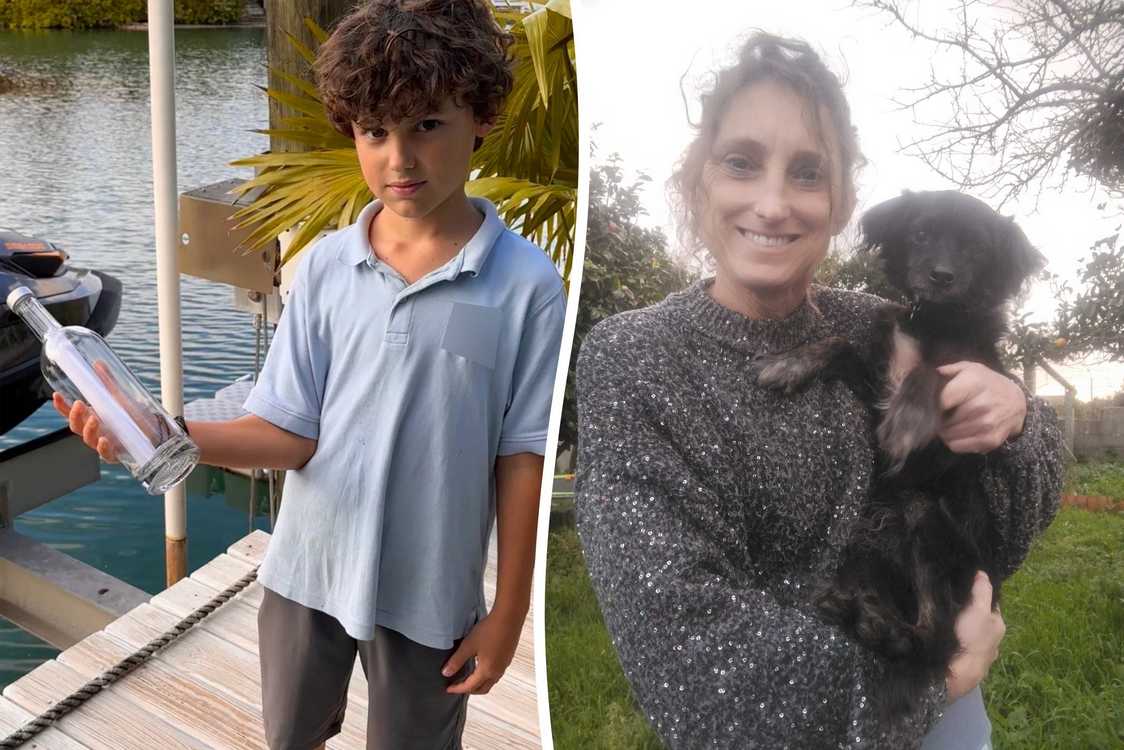
On February 10, 2025, Amy Bisterzo, 43 and her son Lorenzo Bisterzo, 10, tossed a glass bottle into the Atlantic Ocean near Nassau, Bahamas.
Amy explained, "Inside was a note that Lorenzo, our son, had written. He wrote a note saying the date, where it was from, and he also put my WhatsApp number on it and his. As time passed we forgot about it."
4,000 miles away, on February 12, 2026, Maria Enes, 49, was walking her dog on Vila Chã Beach, near Porto, in Portugal. She came across several dead and injured Puffins near a pile of sticks. While checking on them, and being able to rescue three, she found the bottle. Maria, a teacher, described the moment of finding a message in a bottle as being a "childhood fantasy".
Maria added, "As it said 2025 and it was so new I thought it was from the area and I took it home with me. The bottle was intact, it only had a dent in the bottle cap and had very few marine traces. I took the paper with tweezers and I was astonished that it came from the Bahamas. Exactly one year had passed. I thought it was awesome and I called the number in the note."
Amy, originally from the UK, but now living in Old Fort Bay, Nassau, said, "I was in the kitchen, just locking up to go to bed, and a random number from Portugal called me. Then a strange photo popped up with someone saying 'I got your bottle.' All I could see was what looked like material, and a bottle, and scissors; and it actually freaked me out so I immediately blocked the number."
"Then I decide to look at the photo again, and I zoomed in, and I saw Lorenzo's writing." When Amy realized it was Lorenzo's writing on the message, she immediately unblocked the number.
Amy said, "I shouted upstairs to Lorenzo 'someone found our bottle'. Because it was so long ago, he didn't know what I was talking about, and then I showed him. The whole family was just completely mind blown, it actually felt like magic." Amy added, "Then I started to communicate with Maria and she sent voice notes and videos, and very quickly I realized this woman was so kind and lovely."
Amy thought the bottle would never be found when they first threw it. But they are glad they did it as they have created a friendship with Maria since then.
"I never thought it would be found, let alone almost to the year exactly, let alone go so far, and also to be found by the perfect person.", said Amy. "It was sort of an activity to do with my son and give him some excitement, but in my adult mind I knew it was highly unlikely to be found. Of course when we first threw it we were so excited to imagine what might become of the bottle and where it would go. But honestly as time went by we completely forgot about it."
Maria said she is hoping they can meet her in Vila Chã one day so they can throw a bottle together.
1100 sats
The White Pill2d agoLost Page Of Archimedes Palimpsest Manuscript Found!
A page long believed to have been lost from the Archimedes Palimpsest, one of the most important surviving manuscripts of antiquity, has been identified at the Musée des Beaux-Arts in Blois, central France, by a CNRS researcher. Initial analysis confirms that the page corresponds to page 123 of the Palimpsest and contains a passage from Archimedes' treatise "On the Sphere and the Cylinder," Book I, Propositions 39 to 41.
The compilation of Archimedes’s writings was created in Constantinople during the mid 9th century. Later, it was smuggled to a monastery in the Judean desert following the sacking of Constantinople by crusaders in 1204.
The writing was scrubbed out by monks in the Middle Ages, in order to reuse the goat-skin parchment for liturgical texts. This practice of reusing parchment was common at the time, due to the animal-skin writing materials being extremely costly.
In 1906, Johan Ludvig Heiberg documented the manuscript through photographs, which are now preserved at the Royal Danish Library. Since then, the manuscript changed hands several times, and as a result, three leaves documented in these photographs disappeared, and have since been considered lost.
By the 1930s, the manuscript was in the possession of an art dealer in Paris, Salomon Guerson. After failing to sell it in 1932, he sought to increase its value by having forged Medieval illustrations added.
In 1998, the Palimpsest was put up for sale at Christie’s by Guerson’s daughter-in-law where it sold for $2 million to the current owner; an anonymous buyer. The buyer lent the manuscript to the Walters Art Museum in Baltimore, Maryland, USA where it currently resides. The anonymous owner funded its research and restoration, as centuries of poor storage led to mold covering portions of the text, and its edges are charred.
In the early 2000s, multispectral imaging made it possible to reveal major texts by Archimedes as well as previously unknown fragments of ancient literary and philosophical works.
The leaf identified by Victor Gysembergh at CNRS was compared with Heiberg's photographs, making it possible to confirm that it was missing leaf number 123.
On one of its two sides, a text of prayers partially covers geometric diagrams and a passage from the treatise "On the Sphere and the Cylinder".
On the other side, the ancient text remains inaccessible using conventional methods of examination, because it is covered by the forged illumination of haloed Prophet Daniel with his palms to the sky and a tamed a pair of lions.
Subject to the necessary authorizations, Gysembergh plans to conduct new imaging campaigns within a year. The new techniques to be used involve a multispectral approach combined with a series of synchrotron-based X-ray fluorescence analyses. This analytical technique can determine the elemental composition of materials in an attempt to reveal the text concealed beneath the illumination.
After this discovery, only two further leaves from the manuscript remain missing.
Archimedes, a Greek mathematician and scientist who laid the foundations of modern calculus, geometry and fundamental physics and lived around 250 B.C.E. in Syracuse, was not available for comment.


0100 sats
The White Pill3d agoDog's Bark And Community Saves Owner's Life
A frightening ordeal began shortly after Chris’s partner, Linda, had left the house. Their dog, Sally, had gotten outside, so Chris stepped out to bring her back.
But after taking just a few steps outside, Chris collapsed. He had gone into cardiac arrest. Sally’s barking quickly turned out to be life saving.
Her loud, persistent bark caught the attention of women working at a nearby general store. Curious and concerned, they stepped outside to see what was happening—and spotted Chris lying on the ground, not moving.
One of the workers, Renee, immediately called Australia’s emergency number, starting a rapid response that would soon grow into an extraordinary team effort. Around that same time, a driver happened to pass by. He had recently completed a CPR course and stopped right away to help.
Then came another remarkable twist of fate.
It turned out an off duty paramedic, named Brendan, lived right next door. Renee woke him up, and he rushed over to assist. Brendan helped administer CPR and was even able to provide clot busting medication, something paramedics are trained to give.
Soon after, first responders arrived and airlifted Chris to the hospital by helicopter. Doctors later performed surgery to insert stents and open the blocked arteries that had caused the cardiac arrest.
Looking back, Chris credits everyone involved, his dog included, for giving him another chance at life.
From Sally’s urgent barking, to quick thinking store workers, a passerby trained in CPR, and a paramedic living next door, every piece of the puzzle came together at exactly the right moment.
Thanks to that incredible chain of people stepping in to help, Chris survived, and he says he’s doing better than ever.

1110 sats
The White Pill3d agoTruck Driver And Teen Make For A Good Landing On Roadway
An in-air emergency turned into an story of teamwork when a truck driver stepped in to help a teenage pilot safely land a powerless plane on a busy Florida roadway.
Nico Bray, the 19-year-old pilot, said he was flying with a friend after taking off from Martin County, and was showing him different parts of north Palm Beach County when he realized the engine started to fail.
While flying over Jupiter, his plane lost power, forcing him to make a decision he hoped he would never have to make. Bray, an experienced pilot at just 19 years old, said he trained for moments like this. He tried different troubleshooting methods and then realized he had to land the plane somewhere safe. “It can happen so fast,” he said.
“It hit me, like, no, this is real. Like, I actually don’t have any power to climb right now. I need to … I started looking at the ground immediately, to find a spot to land. And once you’re in that position, you just execute,” he said. “I knew I was only about 500 feet off the ground, so I knew I was going down for sure.” Bray said.
Bray said he realized nearby coastal road, A1A, would be too tight for a safe landing, so he turned west and set his sights on Indiantown Road, right in the middle of afternoon traffic. “I’ve traveled down this road hundreds of times, and turning it into an airport for the day, it was not what I was expecting to do,” Bray said.
As he lowered the plane, he saw a truck driver pull over to flag down traffic, telling other drivers to slow down as the plane was about to land. The driver slowed traffic and helped hold vehicles back, effectively clearing a path for the descending plane. Thanks to that quick thinking, Bray was able to guide the aircraft down safely without anyone being injured.
The dramatic landing happened around 2:30 p.m., prompting multiple 911 calls from stunned drivers who watched the unexpected scene unfold. Fire crews were at the scene in less than three minutes. PBCFR provided more information saying that the small, single-engine plane had landed on the westbound lanes of Indiantown Road between Maplewood Road and Pennock Lane. Luckily, the plane did not hit any cars during the landing process.
The plane was eventually pushed from the middle of the road into a nearby plaza parking lot, where crews were prepared to load it onto a flatbed truck to be taken away. Based on information from the FlightAware track log, the plane was in the air for less than 17 minutes.
The 19-year-old says he earned his commercial pilot license about a year ago and has flown the plane many times before without any problems.
After landing safely, Bray says the reality of the moment didn’t hit him until he saw his mom again. “Very grateful for her. She’s funded my dreams of becoming a pilot,” Bray said. “I’m glad to be able to hug her again, for sure.”
Bray says the experience won’t stop him from flying. He says becoming a pilot has been his dream since he was five years old.

0100 sats
The White Pill4d ago50 Year Old Offer Finally Redeemed For The First Time
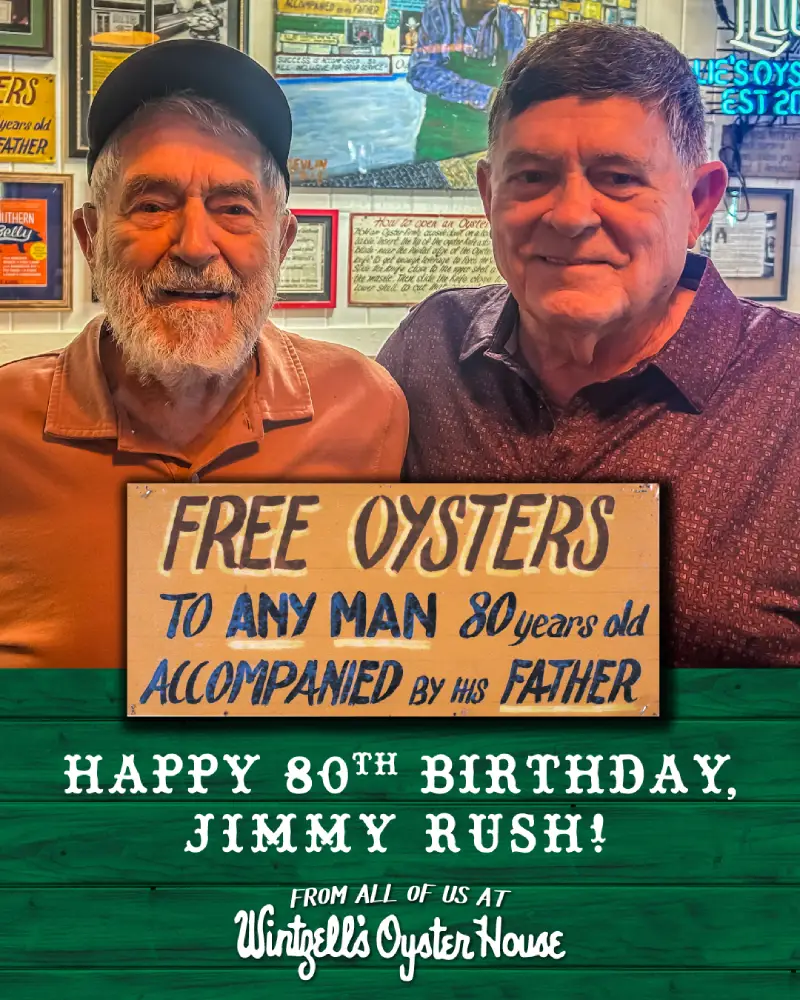
For years, a quirky sign hanging inside a historic oyster house in Mobile, Alabama, promised something unusual: free oysters to any man who turned 80 and walked in with his father.
It sounded almost impossible. And for decades, no one had ever claimed it.
Until now.
Jimmy Rush, who recently celebrated his 80th birthday, walked into Wintzell’s Oyster House with his 99-year-old father, Jim—making them the first known pair to finally cash in on the long standing promise.
The moment was especially meaningful for the Rush family, who have deep roots in the area but now live in Florida. Visiting the oyster house has been a family tradition stretching back more than 50 years.
“My dad and I started riding in a parade at Mardi Gras on Friday nights,” Jimmy said. “So we would come down here on Friday afternoon and eat oysters. And that started in 1972.”
Over the years, the famous sign on the wall became something of a family goal. Jimmy’s brother, Carl, said the idea of someday qualifying for the offer had been talked about for decades.
“I can quote by heart, ‘Free oysters, to any man 80 years old, accompanied by his father,’” Carl said. “So in seeing that sign, we felt like our dad was going to make it to 100 because he’s in great health. We’ve been talking about it as a family for 25, 30 years.”
When Jimmy finally reached the milestone birthday, the family checked with the restaurant to see if anyone had ever beaten them to it.
The answer was no.
“We’d asked the bartender had anyone else did it? No one had,” Jimmy said. “So we said, ‘We’ll be the first.’”
His father, Jim, proudly added, “We’re the number ones.”
The special occasion turned into a big celebration. About 60 family members and friends gathered to mark Jimmy’s 80th birthday, and to watch the restaurant make good on its promise with a dozen free oysters.
For Jimmy, it was a milestone he’d been looking forward to for a very specific reason.
“Never thought about any birthdays except my 80th,” he said. “That’s the one I was looking forward to, because of the sign.”
Jim, now 99, says he’s been fortunate in life. A veteran of both World War II and the Korean War, he shared that he takes no medication and credits his faith for his long and healthy life.
“I’ve been very lucky and very well taken care of through my God and it worked out,” Jim said through tears.
And the Rush family may not be done making history just yet. Jimmy’s brother Carl turns 80 in two years—and the family already has plans to return.
“We will be back to do this all over again October of 2028 when I turn 80,” Carl said. “My dad says he’s going to make it, so that’s good enough for me.”
41113 sats
The White Pill5d agoScientists Use Sunlight To Turn Plastics Into Vinegar
Researchers at the University of Waterloo have found a way to use sunlight, and a specially designed catalyst, to turn plastics in water into acetic acid.
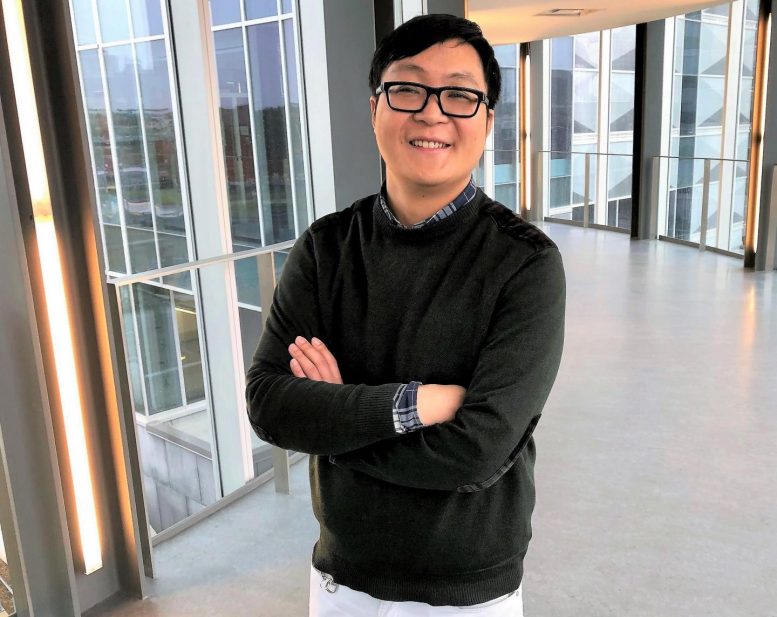
Dr. Yimin Wu, a professor of mechanical and mechatronics engineering and the Tang Family Chair in New Energy Materials and Sustainability, is the lead author in a study published in the journal Advanced Energy Materials. The study was led by Waterloo PhD student Wei Wei under the guidance of Wu, and co-authored by Roy Brouwer, executive director of the Water Institute.
Traditional recycling methods involve melting plastics back into raw forms. This method is inefficient and produces harmful gasses. Instead, the research team developed a method where plastic particles, suspended in water and exposed to sunlight, are broken down into acetic acid with the use of a catalyst.
Scientists believe that this approach to plastic waste management is more efficient. More importantly, this new method breaks down microplastics at the chemical level, unlike the incineration process.
“Both from a business and societal perspective, the financial and economic benefits associated with this innovation seem promising,” said Brouwer. “This method allows abundant and free solar energy to break down plastic pollution without adding extra carbon dioxide to the atmosphere,” added Wu. “Our goal was to solve the plastic pollution challenge by converting microplastic waste into high-value products using sunlight.”
"The inspiration for our research came from nature. The white rot fungus (Phanerochaete chrysosporium) is famous for its ability to break down lignin, one of the toughest polymers found in wood. It does this using enzymes that generate highly reactive chemicals that are capable of dismantling complex carbon structures."
"The catalyst we designed is iron-doped carbon nitride, a semiconductor that absorbs visible light. We then anchored individual iron atoms, creating what scientists call a single-atom catalyst."
Rather than forming nanoparticles, each iron atom is isolated and embedded within the carbon nitride structure, referred to as Fe@C₃N₄ SAC. This atomic precision is crucial. Each iron atom behaves like an active site in a natural enzyme, maximizing efficiency while maintaining stability.
The system works through a cascade of light-driven reactions. Under sunlight and in the presence of hydrogen peroxide, the iron sites activate the peroxide to generate highly reactive hydroxyl radicals. A radical is an atom, molecule or ion that has at least one unpaired electron. This makes them highly chemically reactive.
These radicals attack the long carbon chains that make up plastics. The polymers are progressively oxidized and broken down into smaller molecules, eventually forming carbon dioxide (CO₂). Rather than allowing this CO₂ to escape, the same catalyst then performs a second job: it uses sunlight to reduce the CO₂ into acetic acid. In other words, the carbon in plastic waste is first oxidized and then re-assembled into a new, valuable molecule.
Acetic acid is best known as the sour component of vinegar, but it is also a major industrial compound. It is used to produce adhesives, coatings, solvents, synthetic fibers and pharmaceuticals. Global demand runs into the millions of tons each year, representing a multi billion dollar market. Currently, most acetic acid is produced through an energy intensive process called methanol carbonylation, whereby methanol is reacted with carbon monoxide at high temperatures.
The dispersed atomic structure of the catalyst maximizes active sites for reactions, maintains stability under repeated use, and controls how the chemical transformation proceeds. In lab tests, the catalyst efficiently converted plastic waste into acetic acid over multiple cycles without losing activity, which is a key factor for potential large scale applications.
By turning a pollutant into a commodity chemical, the process creates both environmental and economic incentives. Additionally, the use of iron makes the system more scalable and sustainable than methods relying on rare or precious metals. Producing acetic acid directly from waste provides an economic incentive, where plastics are transformed rather than discarded.
Unlike conventional chemical recycling, this approach doesn’t rely on high temperatures, harsh solvents, or added energy from fossil fuels. The reactions occur in water under ambient conditions.
Researchers found that it not only works on various forms of polymers, such as: polyvinyl chloride (PVC), polypropylene (PP), polyethylene (PE), and polyethylene terephthalate (PET), but that it also works with with mixed compositions of those polymers.
Wu and colleagues envision a future where solar powered plastic conversion contributes to a circular economy, reducing environmental harm while generating commercially useful chemicals.
The study was supported in part by the Waterloo Institute for Nanotechnology and the Water Institute. Research findings are available online in the journal Wiley Advanced.
1110 sats
The White Pill7d agoWelder "Hero" Helps Save Driver In Medical Crisis
A man in San Antonio is being praised online as a “highway hero” after his quick thinking helped stop a dangerous situation on a busy highway—and may have helped save a life.
Rene Villarreal-Albe was driving with his wife when they noticed something alarming: an SUV weaving across lanes and bouncing off a concrete barrier during the busy noon hour. It quickly became clear the driver was in serious trouble.
“I just saw somebody that looked like they were in some type of medical condition and it made me feel like I needed to help,” Villarreal-Albe said. “I have good critical thinking and I just thought about it and I decided to just get in front of him and slow him down.”
Villarreal-Albe carefully maneuvered his heavy duty truck in front of the out-of-control vehicle and gradually slowed down until both vehicles came to a safe stop—while traffic sped past around them. His wife, Andrea Walker, recorded the intense moment from the passenger seat.
“We were in the very far left lane and he was in the lane right next to us and he almost actually ran into us and we slowed down,” Walker said. “When we finally came up to him, he was unconscious and that's when we realized, OK, he's not gonna stop and he could hurt more people, so yeah, we took action.”
Once the vehicles stopped, Villarreal-Albe rushed to help the driver. As he began pulling the man from the SUV, another good Samaritan stepped in at exactly the right moment.
“A nurse recognized the emergency and stopped to help,” Villarreal-Albe said. “This lady started CPR right away, and he lost color, but he came back and that made it worth it. I've never seen someone being brought back, but it made everything worth it.”
Villarreal-Albe believes his truck also played a role in the successful outcome. A welder by trade, he had recently fabricated and installed a heavy duty rear bumper on the vehicle—something he says gave him confidence that he could safely intervene.
“I installed that bumper two months ago and it held up very well,” he said. “There's no body damage and I'm happy. I'm satisfied. Even if there was damage it wouldn't matter. He needed help.”
Officials later confirmed emergency responders were dispatched for a cardiac arrest. Notes from the call indicate the man was breathing when he left the scene and was transported to the hospital as a Priority One case, meaning the situation could be life threatening.

2100 sats
The White Pill7d ago9-Year-Old’s Empty Birthday Party Turns Into A Packed Celebration Thanks To Kind Strangers
Eisley Marquez had been looking forward to celebrating her 9th birthday. Her mother, Samantha Chamberlain, had put extra care into planning the party this year after missing the celebration last year because of work.
Chamberlain said her daughter could hardly wait for the big day.
“She was really excited. She was just kind of anticipating, ‘Are you guys going to be done decorating by the time that people get here?’” Chamberlain recalled.
But after half an hour passed, the party space remained empty. No guests had arrived.
“And I just thought to myself, no, right? Because here I am finally able to make the birthday party and nobody’s here,” Chamberlain said.
The moment was especially painful for the mom, who had been so determined to make the day special for her daughter.
“I kind of felt like I failed a little bit, and I know that’s not right, but I kind of felt like I failed her,” she said.
Instead of letting the day end in disappointment, Chamberlain decided to try something bold. She turned to social media and asked if anyone in the community might want to stop by and help celebrate Eisley’s birthday.
What happened next was more than she ever expected.
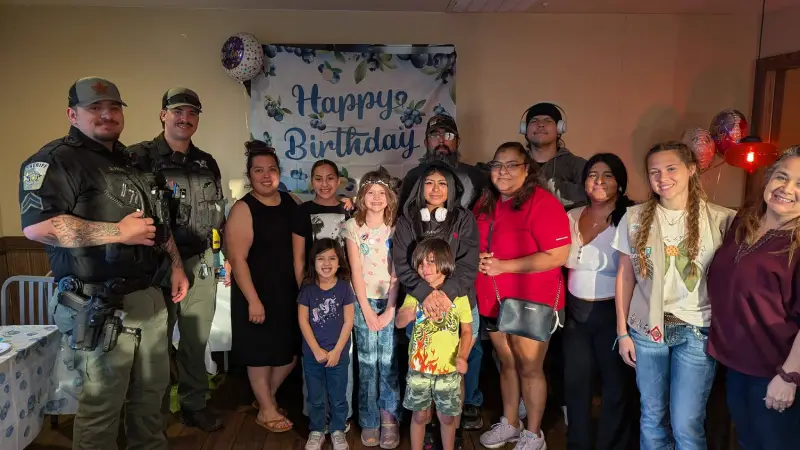
Within a short time, neighbors began showing up—filling the restaurant with people who wanted to make sure the young girl had a birthday to remember.
“This place that we’re in right now was full. It was filled with people,” Chamberlain said. “I started thinking, my goodness, if everybody comes, there’s no way that I’m going to be able to afford all of this.”
The guests didn’t just bring smiles—they brought presents too. Eisley was thrilled as gifts started piling up.
“I got Pokémon cards. I got slime. I got toys,” she said excitedly.
Even neighbors who couldn’t attend in person found ways to send birthday surprises.
“It was really nice to be able to do that for her, and again, we have a daughter, so I just think about her and I hope that it brought a smile to her face knowing that we’re here,” neighbor Karina Roberts said.
By the end of the day, what could have been a sad memory became something far more meaningful—a reminder of how powerful kindness and community can be.
And if you ask the birthday girl, the party ended up being better than anyone expected.
“I think it went great,” Eisley said with a smile, “maybe a little bit better than great.”
21042 sats
The White Pill7d agoBeing Spider-man Saves Teen From A Boring Job
(Nate Frindall as Spider-man)
Nate Frindall used to have a job in a supermarket, until he gave it up for a side hustle as Spider-man. He started his superhero gig three years ago after he dressed as Spider-man to see the latest film.
"When I walked in, someone shouted 'do a flip,'" the 19-year-old said. "I did one, and everyone started clapping."
And so he decided, with his parents' encouragement, to turn this impromptu performance into a side hustle as a superhero impersonator. The teenager from Dorking in Surrey invested in an "expensive, custom-made" costume and started working evenings and weekends as Spider-Man. He soon quit his job as he got more pay for one hour as Spider-Man than an eight-hour shift at the supermarket. Of the supermarket job Nate says, "When I got paid at the end of the month, it felt like it wasn't worth what I put in." He continued, "I was not happy there. Time went so slowly."
Working at the supermarket checkout he was paid £12.40 an hour, but now, he charges £75 for a 30-minute meet-and-greet and £150 for an hour. Some folks pay £250 for an hour ‘party package’ with games and photos or £300 for a two-hour party. However, he said he can end up working far more hours than before since he now needs to do unpaid promotional work and advertising. "It really does take up a lot of time," Frindall said.
“I absolutely love doing it." he continued. "To see these kids really happy that I have made their party, and turned up to surprise them, is great. It has paid off, too, I am booked up for children’s parties every weekend in March. It’s lovely to see kids smile. Because of the realism of the suit, they genuinely think I am Spider-man. So, they get a big shock.”
In a commitment to his performances, which involve walking on his hands and back flips, he’s now purchased two more suits. To promote his business, Nate attends lots of local events in costume and gives out his business cards, and he also posts on local Facebook groups.
For his long term dreams, Nate works with music on the side, with hopes of becoming a producer, has taken up acting as an extra, and dabbling in comedy with his cousins on TikTok, where they’ve tallied 10,000 followers.
He encourages other young people who have business ideas to take a super-hero leap and start their own businesses. “I would 100 percent recommend doing a side hustle or a freelancing gig. Not many people that I know are doing what I’m doing, so if you can find a niche gap in the market then you’re going to get better money for it.”

0100 sats
The White Pill9d agoResearchers Create Chocolate-Flavored Honey With Cocoa Bean Shells
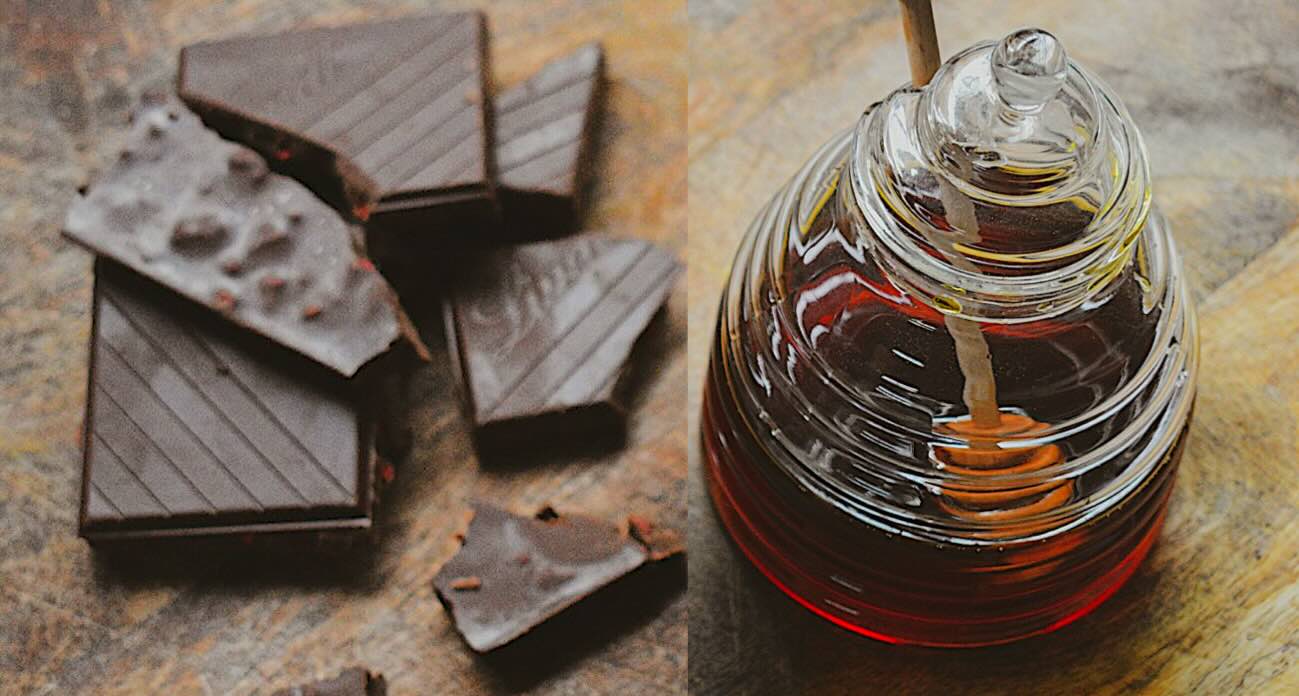
Researchers at the State University of Campinas (UNICAMP) in São Paulo, Brazil, have created a new product that blends native bee honey with cocoa bean shells. The result can be eaten on its own or added to foods and cosmetic formulations.
Researchers who sampled the mixture report a pronounced chocolate flavor that varies depending on the proportion of honey to cocoa shells. Additional testing is planned to further evaluate taste and other sensory characteristics.
"Of course, the biggest appeal to the public is the flavor, but our analyses have shown that it has a number of bioactive compounds that make it quite interesting from a nutritional and cosmetic point of view," says Felipe Sanchez Bragagnolo, the study's first author. He carried out the research during his postdoctoral work at the Faculty of Applied Sciences (FCA) at UNICAMP in Limeira with support from FAPESP.
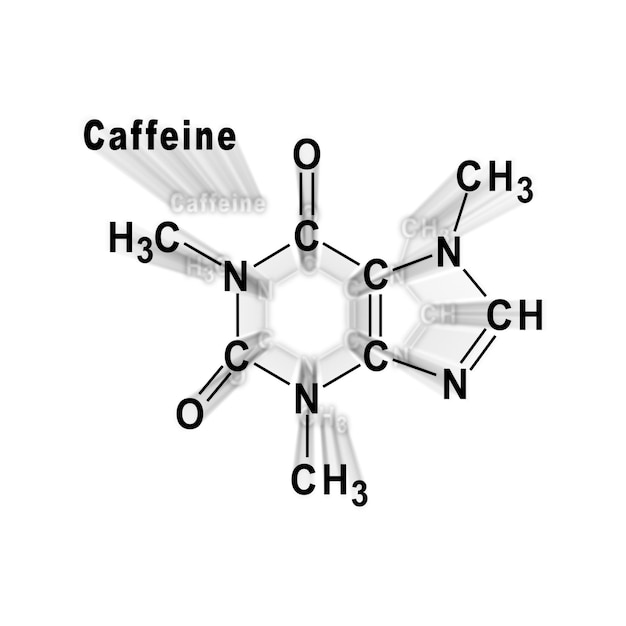
To make the product, the team used honey from native bees as a solvent to draw out beneficial compounds from cocoa shells, a byproduct typically discarded during chocolate production. These compounds include theobromine and caffeine, which are linked to heart health. The ultrasound-assisted process also boosted the honey's levels of phenolic compounds, known for their antioxidant and anti-inflammatory effects.
Native Bee Honey
Beyond reducing food waste, the project highlights the sustainable use of local biodiversity. Honey from native Brazilian bees was selected because it generally contains more water and is less viscous than honey from European bees (Apis mellifera), making it more effective for extracting compounds.
Mandaguari honey was initially used to refine the extraction process because its water content and viscosity were moderate compared to the others. Once optimized, the same procedure was applied to the remaining honey varieties. Bragagnolo notes that honey is sensitive to environmental factors such as climate, storage, and temperature. "Therefore, it's possible to adapt the process to locally available honey, not necessarily mandaguari honey," he says.
Ultrasound Extraction
The extraction method relies on ultrasound technology. A probe that resembles a metal pen is inserted into a container holding the honey and cocoa shells. Sound waves generated by the probe help release compounds from the plant material so they dissolve into the honey. This approach works by forming microscopic bubbles that collapse and briefly raise the temperature, helping break down the shells. In the food industry, ultrasound-assisted extraction is viewed as an environmentally friendly technique because it is faster and more efficient than many conventional methods.
Sustainability was formally evaluated in the study using Path2Green software, developed by a team led by Professor Mauricio Ariel Rostagno of FCA-UNICAMP, who also supervised Bragagnolo's postdoctoral research and coordinated the project. The analysis measured how well the process aligned with 12 principles of green chemistry, including transportation, post-treatment, purification, and application. The use of a local, edible, ready-to-use solvent was a major advantage.
"We believe that with a device like this, in a cooperative or small business that already works with both cocoa and native bee honey, it'd be possible to increase the portfolio with a value-added product, including for haute cuisine," Rostagno suggests.
Shelf Life and Future Applications
The team is also planning studies to examine how ultrasound affects honey microbiology. Just as it breaks down plant cells, ultrasound can disrupt the cell walls of microorganisms such as bacteria that may spoil the product.
"Honey from native bees usually needs to be refrigerated, matured, dehumidified, or pasteurized, unlike honey from European bees, which can be stored at room temperature. We suspect that, simply by being exposed to ultrasound, the microorganisms contained in the honey are eliminated, increasing the stability and shelf life of the product," he explains.
Looking ahead, the researchers intend to explore other uses for native bee honey as a solvent in ultrasound-assisted extraction, including processing additional plant residues.
011100 sats
The White Pill12d agoSilk Could Repair Human Nerves
Newrotex, a clinical stage biotech start up, has developed revolutionary implantable silk based medical devices designed to address large gap peripheral nerve injuries.
Founded by trauma and orthopedic surgeon, Dr Alex Woods of Oxford University Hospitals NHS Foundation Trust, Newrotex is entering a critical phase of clinical and operational scale up.
"It acts like a scaffold for nerves to grow along like a rose on a trellis." Woods explains. When a nerve is cut it sprouts a basic scaffold that it tries to regenerate along, but only last about 10 days. "So if that gap is more than 1 cm with nerves regenerating at about 1 mm a day it can't bridge big gaps and breaks down," Woods said.
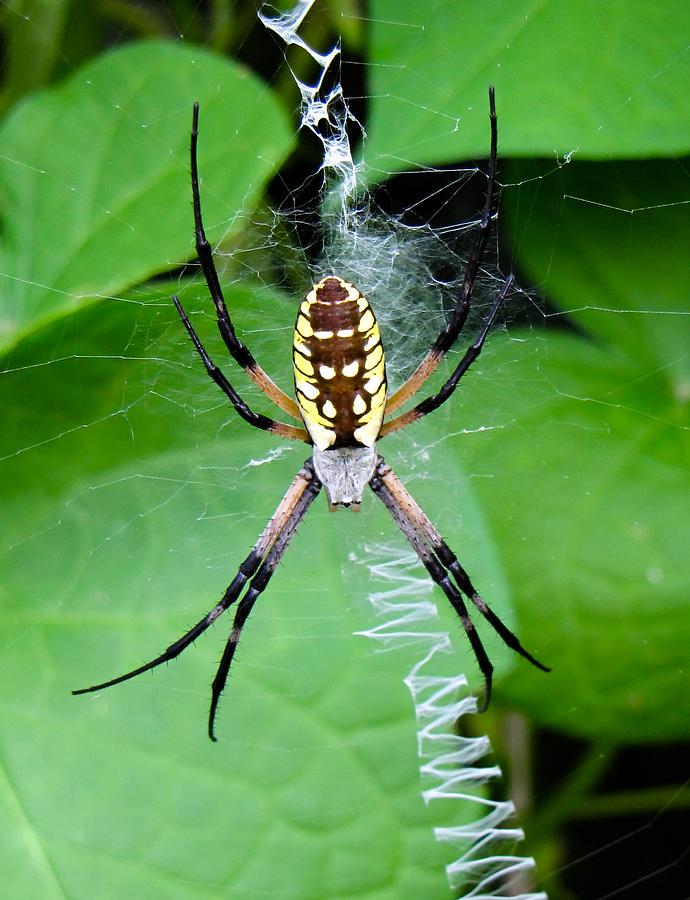
Newrotex’s proprietary nerve repair devices use natural silk fibers produced by Golden Orb Weaver spiders under controlled GMP conditions in the laboratory. The silk has demonstrated biocompatibility, biodegradability, and strong nerve cell affinity. They can be manufactured in varying lengths and diameters, and with room temperature stability.
"Except it lasts for 150 days," Woods said. "So now we can allow the nerves to get across the gap." The silk fibers are implanted into a vein or hollow conduit to repair a nerve and eventually degrade into the body. The device enables repair of nerve gaps up to 10cm, which is not currently achievable by anything on the market today.
Dr. Woods hopes his silk-based devices could also help treat the nerve injuries caused by surgeons, following mastectomies or prostate cancer surgery. Each year, approximately 1.5 million patients worldwide undergo peripheral nerve injury surgery. Current standard treatments rely on “autografts”, requiring surgeons to remove healthy nerve from elsewhere in the patient’s body, increasing surgical time, morbidity, and cost.
"These are huge problems, which are nerve injuries which, right now, struggle to be treated," said Woods. "So there's a really exciting opportunity to take this simple device and open it up to people in all those different specialties." The device is currently undergoing its first study for use in humans.
33142 sats
The White Pill12d agoI love starting the day with something positive!
https://www.youtube.com/watch?v=4ue7RKR3C00
1000 sats
The White Pill12d agoCaffeinated Coffee And Tea Could Protect Against Dementia
New research shows that daily caffeinated coffee or tea is associated with better cognitive health in the long term.
People having two to three cups of coffee, or one to two cups of tea, a day saw the biggest impact, according to the study published in The Journal of the American Medical Association (JAMA).
Making use of the data of 131,821 people enrolled in the "Nurses’ Health Study and Health Professionals Follow-up Study", senior author Dr. Daniel Wang, assistant professor in the department of nutrition at Harvard T.H. Chan School of Public Health in Boston, found that "Coffee drinkers in midlife had about an 18% lower chance of developing dementia later on, while tea drinkers had a 14% lower risk." Wang and the team did not observe the same benefit in decaffeinated options.
“When searching for possible dementia prevention tools, we thought something as prevalent as coffee may be a promising dietary intervention, and our unique access to high quality data through studies that have been going on for more than 40 years allowed us to follow through on that idea.” said Wang.
Other research has supported the idea that caffeinated coffee can be linked to healthier aging and that caffeinated coffee and tea can lower risk for conditions like heart disease.
“While our results are encouraging, it’s important to remember that the effect size is small and there are lots of important ways to protect cognitive function as we age. Our study suggests that caffeinated coffee or tea consumption can be one piece of that puzzle.” Wang added.
Coffee and tea contain bioactive ingredients like polyphenols and caffeine, which have emerged as possible neuroprotective factors that reduce inflammation and cellular damage while protecting against cognitive decline.
Contrary to several previous studies, higher caffeine intake did not yield negative effects. Instead, it provided similar neuroprotective benefits to the optimal dosage.
0100 sats
The White Pill13d agoBolivia's Indigenous Communities Protected Nearly 1 Million Hectares of the Amazon Rainforest
Bolivia has added nearly a million hectares to its protected areas over the last several months, an effort by local governments to link Indigenous territories with nearby national parks and strengthen ecological connectivity.
The four new protected areas cover 907,244 hectares (2.2 million acres) of Amazon lowlands and Andean highlands, creating corridors intended to improve wildlife migration and maintain forest-based economies for local families. The effort was led by local officials and Indigenous communities, who planned and approved the protections.
“In many cases, the municipalities have now protected more than half their territories, a remarkable commitment that shows how local leadership can deliver durable conservation that strengthens communities and outlasts political cycles,” Eduardo Forno, vice president of Conservation International-Bolivia, which supported the projects, said in a statement.
The initiative was also backed by the Andes Amazon Fund, Rainforest Trust, Conservación Amazónica, the Swedish Embassy, and EU.
In recent years, Bolivia has had some of the highest deforestation rates in the world, driven by agribusiness, cattle ranching, and fires, among other factors. In 2025, it lost 1.8 million hectares (4.4 million acres), according to Global Forest Watch, a satellite monitoring initiative. The year before that, it lost around 490,000 hectares (1.2 million acres).
In the early 2000s, Bolivia made a push to expand nationally protected areas. But since then, efforts have tapered off. In the last five years, only two nationally protected areas have been created or upgraded: El Choré National Park in Santa Cruz department and El Cardón Natural Park, an Integrated Management Area in Tarija.
As a result, many conservation groups started looking to local and departmental governments to expand protected areas and meet Bolivia’s goals toward the global 30×30 initiative, in which 30% of the land and water are protected by 2030.
Local and Indigenous communities were on board with the idea.
Residents in the municipality of Santos Mercado, in the Pando department on the northern border with Brazil, were concerned about deforestation from mining and logging. It was starting to create water scarcity and impact Brazil nut (Bertholletia excelsa) harvests, a staple of the local economy.
They created the Guardián Amazónico Pacahuara Integrated Natural Management Area in October 2025, protecting 544,103 hectares (1.3 million acres) of the Amazon.
With the designation, the municipality has now protected around 82% of its territory, Conservation International reported.
The new management area will help protect the endangered Bolivian river dolphin (Inia boliviensis) and vulnerable harpy eagle (Harpia harpyja), among other species.
“That’s where the initiative was born,” Ericka Cortez, president of the Santos Mercado Municipal Council, told Mongabay. “The concern to conserve the environment, to conserve our Amazon, our forest and more than anything: the beauty of our Brazil nut.”
There were similar needs in the Mosetén Indigenous Territory, where communities grow cacao, coffee, plantains, and other agricultural products but were also feeling pressure from unplanned settlements and the encroaching agricultural frontier. The 73 communities, located in La Paz department, helped create the Serranías y Cuencas de Palos Blancos Municipal Park and Integrated Natural Management Area, spanning 88,006 hectares (217,467 acres).
The management area, officially established in January, sits next to the Indigenous territory and is designed to help protect freshwater sources like rivers and streams needed for agriculture, which can only survive if the forest remains standing.
In October, local officials also established the 191,310-hectare (472,737-acre) Los Palmares de Villa Nueva Integrated Natural Management Area in Pando department, home to the endangered giant otter (Pteronura brasiliensis). The area was similarly under threat from settlements and agribusiness.
And that same month, local communities established the 83,825-hectare (207,136-acre) Gran Paitití Municipal Park and Integrated Natural Management Area in the municipality of Mapiri in La Paz department. The area is known for illegal gold mining that has occasionally led to violent clashes with authorities. Deforestation and pollution from mercury are common in the municipality, Mongabay has previously reported.
With the creation of the management area, around 56% of the municipality is now protected, Conservation International said.
The area is also designed to act as a migration corridor between Madidi National Park and Cotapata National Park. It’s home to critically endangered endemic frogs like the Telmatobius verrucosus and Allobates mcdiarmidi and endangered glass frogs like the Nymphargus bejaranoi and N. pluvialis.
Forno explained to Mongabay that the goal is to create a conservation “mosaic,” connecting multiple protected areas where human population density is low and biodiversity rates are high.
“There are large areas that aren’t very populated,” Forno said. “Those areas have normally been linked to high biodiversity, especially in the northwest Bolivian Amazon, on the border with Peru and Brazil.”
Moving forward, Forno said local jurisdictions have very limited resources and will need to look for long-term financing to ensure the integrity of the new protected areas, possibly through debt-for-nature swaps and protected area permanence programs.
The protected areas will also rely on the revenue generated from sustainable development projects for Brazil nuts, açaí, fishing, and other commodities.
For the Guardián Amazónico Pacahuara Integrated Natural Management Area, Cruz told Mongabay that a management committee made up of government officials, the private sector, and civil society groups is being developed. The committee is also developing a reforestation plan.
“[The goal] is to have sustainable management within these places, and thus conserve our Amazon,” she said.

0100 sats
The White Pill14d agoCretaceous Amber Reveals Insect Relationships
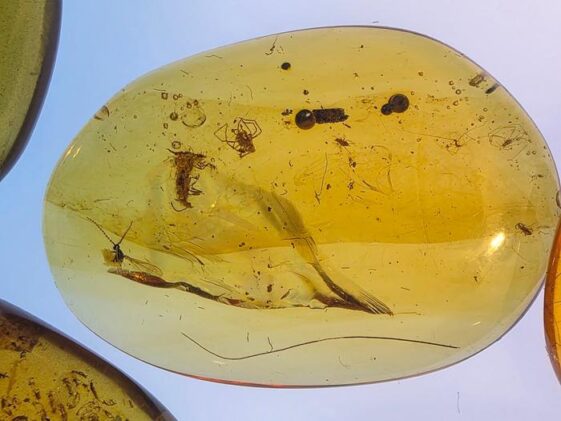
Scientists in Spain analyzed six key samples of amber, containing extinct insects, to try to learn more about the ants that lived in the Cretaceous period.
“Amber inclusions are representative of possible interactions between different organisms shaping the environment,” explained Dr Jose de la Fuente of the Institute for Game and Wildlife Research, Spain, lead author of the article in Frontiers in Ecology and Evolution.
The six pieces he and colleague, Agustín Estrada-Peña, studied span several key periods of time. Four pieces from Myamar's Hukawng Valley are from the Cretaceous Period, (99 million years ago). One piece of Baltic amber from Poland is from the Eocene Period, (40–55 million years ago). Another piece from the Dominican Republic is from the Oligocene Period (23–34 million years ago).
Each contains ants alongside other organisms. This phenomenon is very rare, and referred to as "syninclusion" by palaeontologists. Ants were the focus precisely because they are, and probably always have been, so ecologically central by aerating soil, dispersing seeds, predating or being predated upon, and locked into relationships with hundreds of other species.
The trouble with amber taphonomy (the study of how organisms end up preserved) is that proximity doesn’t guarantee interaction. A spider and an ant might share a piece of resin because one was hunting the other, or because both landed in the same patch of tree sap within minutes of each other through sheer bad luck. De la Fuente and Estrada-Peña tried to distinguish these scenarios by measuring the distances between organisms and cross referencing with published evidence of known ecological relationships.
The earliest ants are known as Stem ants. Although they didn’t leave modern descendants, Hell ants are suspected to have evolved from them. These two, along with Crown ants, which all ants alive today evolved from, were found in the amber samples.
Three of their six cases involved ants near mites, and these are perhaps the most compelling. Hitching a ride on a larger animal (phoresy) is well documented in living mites. Some modern mites that are associated with ants are mutualists (cleaning their hosts in exchange for transport), while others are parasites.
In Case 1 (Baltic amber), a Crown ant was found with two mites of the family Glycyphagidae at 1.9 and 3.7 millimetres distance, alongside a wasp, an oak flower and some moss. The Glycyphagidae found in Case 1 appear consistent with the phoretic interpretation, possibly riding the ant to reach new food sources. Whether the relationship was beneficial or damaging to the ant is another matter; without micro-CT imaging to look for attachment structures on the mites, the paper stops short of a firm conclusion.
In Case 4 (Burmese amber), a Stem ant lay about 4.4 mm from a mite showing a sclerotised body, consistent with a mobile, phoretic life stage. “The proposed ant-mite interactions in Case 4 may reflect two possible scenarios.” de la Fuente says. “First, a commensal specialized temporal relationship where mites attach to ants for free ride dispersal to new habitats. Second, a parasitism when mites feed on the ant host during transport.”
Case 6 contains a Stem ant with its body curved backward, mandibles pressed against what looks like a worm or perhaps a neuropteran larva. The ant appears to be of the genus Gerontoformica (or close to it), which is part of the early eusocial lineages that preceded a diversification of ants in the later Cretaceous. Its body posture, with mandibles apparently in contact with substrate, suggests active foraging or scavenging behavior.
A nearby spider, about 4 mm in compact body length, likely belonged to the Gnaphosidae family. This family of ground dwelling hunting spiders whose members today sometimes mimic ants to avoid being eaten by other predators, or to infiltrate ant colonies. It is unclear whether this long dead spider was doing something similar; using proximity to the ant as camouflage rather than fleeing from it.
The Hell ant in Case 3 adds another layer entirely. Hell ants (Haidomyrmecinae) are among the strangest extinct insects we know of: their forward-projecting scythe-like mandibles bear no resemblance to any living ant, and they were probably specialized predators. This one was preserved alongside a land snail, a millipede, and two poorly preserved insects. A Hell ant eating a snail seems possible. Ants today prey on mollusks in some circumstances. But the distances between the organisms in Case 3 are larger, and de la Fuente’s team treats these as likely coincidences rather than evidence of interaction.
That caution is probably right. “The closest ant syninclusions are more likely to reflect behavior and interactions between these organisms,” de la Fuente says, but the researchers are explicit that distance alone cannot determine what was happening. Amber distorts as it fossilizes, compressing three dimensional relationships into something harder to read. What looks like intimate proximity might reflect different moments in time, and what looks like coincidental clustering might have been deliberate.
“The identification and morphological characterization of fossil ants in amber with other inclusions of insects provides a snapshot of life on Earth millions of years ago,” de la Fuente says. “To improve the analysis of interactions between different organisms in fossil amber inclusions, future research should use advanced imaging techniques,” said de la Fuente. “Nevertheless, these results provide evidence of insect behavior and ecological habits.”
Micro-CT scanning can render the spatial relationships between organisms in three dimensions, potentially revealing whether mites have the sclerotised attachment structures they’d need to cling to a moving ant. Z-stack imaging can build up layered composite pictures of partially obscured inclusions. These techniques are already transforming what’s possible with amber paleontology. A 2024 study on termites used CT scanning to confirm that ancient termite colonies preserved in amber reflected genuine social group behavior, rather than accidental clustering.
1100 sats
The White Pill15d agoBaby Saved After Winds Blow Stroller Into Lake Michigan
Lio Cundiff was nearby and on the phone with his aunt, when he noticed the wind picked up, and then everything unfolded. He realized what had happened and jumped into the water to help rescue the baby.
“I see a stroller getting blown into the lake and a lady screaming,” said Cundiff, speaking from his hospital bed following the harrowing rescue. “I wasn’t going to let that baby die.”
“I’m just glad the stroller was up and not face down. The baby dipped under a couple times, but I was able to keep her up,” Cundiff said. According to Chicago police, the stroller fell into the water at around 3 p.m.
“I was the only one in the water. Another guy came down the ladder to get the stroller out, and the mom kind of helped as well on the ladder, and then once we got the baby out I was able to get myself out. She was breathing and crying when we got her out,” Cundiff said.
Emergency crews responded to the scene and Cundiff and the baby were already out of the water by the time they arrived. Police said the baby was taken to the hospital for observation, and she was initially listed in good condition.
Cundiff had been enjoying the nice weather before going to work. Needless to say, he called his boss while in the ambulance. “Yeah, I called work, called my girlfriend. My aunt was on the phone. She heard the whole thing. I just threw my phone down and I guess she called my mom. I was just trying to make sure they all knew I was fine and the baby was good.” Cundiff said.
“I hope she has a really cool future, and I’m happy I was there,” Cundiff said. He said he was in the hospital for heart monitoring and hoped to be released after staying the night.

2100 sats
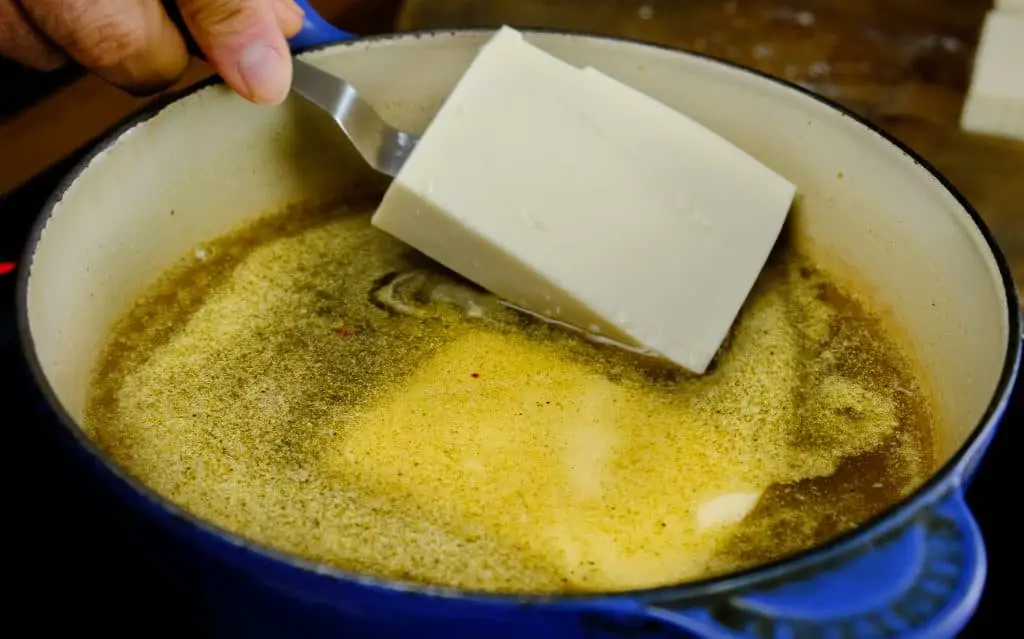
The White Pill15d agoTofu Brine For Batteries
Researchers from the City University of Hong Kong and Southern University of Science and Technology in Shenzhen, Guangdong have developed a new form of battery that is more eco-friendly and longer lasting than lithium ion batteries, and it can run on tofu brine.
This water-based (also called aqueous) battery is neither acidic, alkaline, nor flammable. Lithium-ion batteries are notoriously highly flammable if damaged and can experience thermal runaway. They are also very hazardous to the environment in terms of waste handling.
"The full cells are environmentally benign and nontoxic and can be directly discarded to environments according to various standards." the research abstract states. “Compared with current aqueous battery systems our system delivers exceptional long-term cycling stability and environmental friendliness under neutral conditions,” the research team said in a paper published February 2026 in Nature Communications.
Standard batteries often fail after a few hundred or a few thousand charges, but this new version remained stable for 120,000 charge cycles. To put that in perspective, if you charged your phone once a day with this type of battery, it would theoretically last for over 300 years.
“At over a hundred thousand cycles, this could mean a single water-based battery could last at least a decade or so. For applications like grid storage (solar farms, wind balancing), that’s extremely valuable.” the report went on to say.
The scientists replaced traditional acids and alkalis with neutral salts of magnesium and calcium to create the electrolyte. These are the same minerals used as brine in tofu production. Keeping this liquid at a neutral pH of 7.0 prevents the type of corrosive reactions that can destroy a battery from the inside out.
To complete the battery design, they replaced the negative electrode, which is often made of metal based materials, with a special material they engineered from covalent organic polymers (COPs). They made three of these structures and selected one named Hex TADD COP. It is built with electron-donating chemical links that make it more conductive. The researchers paired this with a positive electrode made of Prussian blue analog, a material commonly used as a blue pigment in paints.
The battery held a significant amount of power for its weight. It reached an energy capacity of 112.8 mAh/g, which is a high score for an aqueous organic battery. Aqueous batteries can be potentially cheap to produce as they rely on ingredients that are less rare in addition to being less hazardous.
Currently, China alone controls half of the global lithium market, and is rapidly increasing its stake. In 2024, more than eight in ten battery cells on the planet were made in China. North American demand will reach 250,000 tons of Lithium Carbonate Equivalent by next year.
If this new technology can perform reliably outside of lab conditions, is energy-dense enough to complete, and can prove cheap at an industrial scale, the world of energy storage may go through a large shift for renewable grid buffering and rural electrification projects.
1100 sats
Network
Following